The Chernobyl Disaster: Could QA IT have prevented the meltdown?
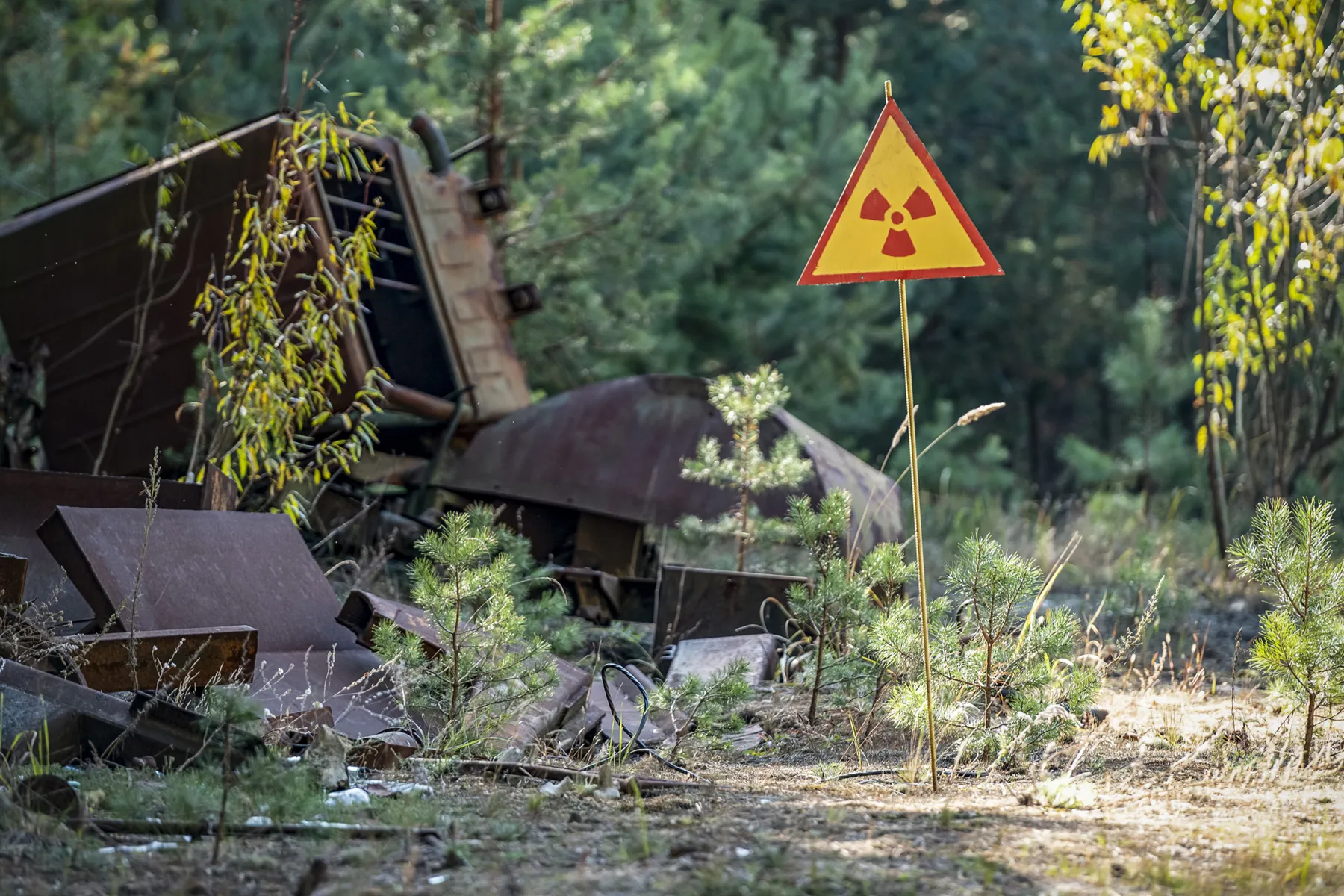
Imagine placing a modern QA IT consultant, equipped with GAMP 5 and strict data integrity protocols, into the Chernobyl control room in 1986. Would it have made a difference?
Let's pretend for a moment and play with the image to get an understanding of what QA-IT does. Forget the obvious difference that the technology was more analogy at the time. Systems in 1986 were not exactly "computerized" by today's standards.
QA IT is not just about oversight; it’s about building compliance and quality into the very foundation of a computerised system. Beyond the design errors at Chernobyl, there was a deep systemic failure in how safety parameters, tests and documentation were handled.
In modern GxP environment, QA IT is always behind a Risk Assessment to identify and evaluate risks in critical scenarios. Without documented evidence that the system can guarantee safety in the given risk area, a system can never become "GXP compliant" or approved for operation.
Today, the 'Control Room' has moved to the Cloud. In 1986, the reactor's flaws were hidden in classified documents. Today, we use Supplier Qualification and SOC reports to peel back the curtain of our providers. Where 1986 relied on blind government guarantees, we now demand objective evidence. QA IT verifies that the provider's infrastructure meets ALCOA+ principles throughout the entire data lifecycle.
Modern systems and cloud solutions should be constructed so that security logic cannot be bypassed without being logged in an Audit Trail and requiring formal authorization. and with. QA IT don't just hope the system works and that data remains safe - we demand validated proof.
QA IT acts as the bridge between technical quality and safety culture. Would a QA IT consultant have changed history in 1986? That might be asking too much. But with the processes in place, the risks would have been visible, managed and not at least - documented.
Want to know more?
Contact:
Katarina Grip, Senior Consultant QA IT
+46 70 641 16 56
katarina.grip@pharmarelations.se